01 Sept 2026
Middle East equities: understanding a changing market
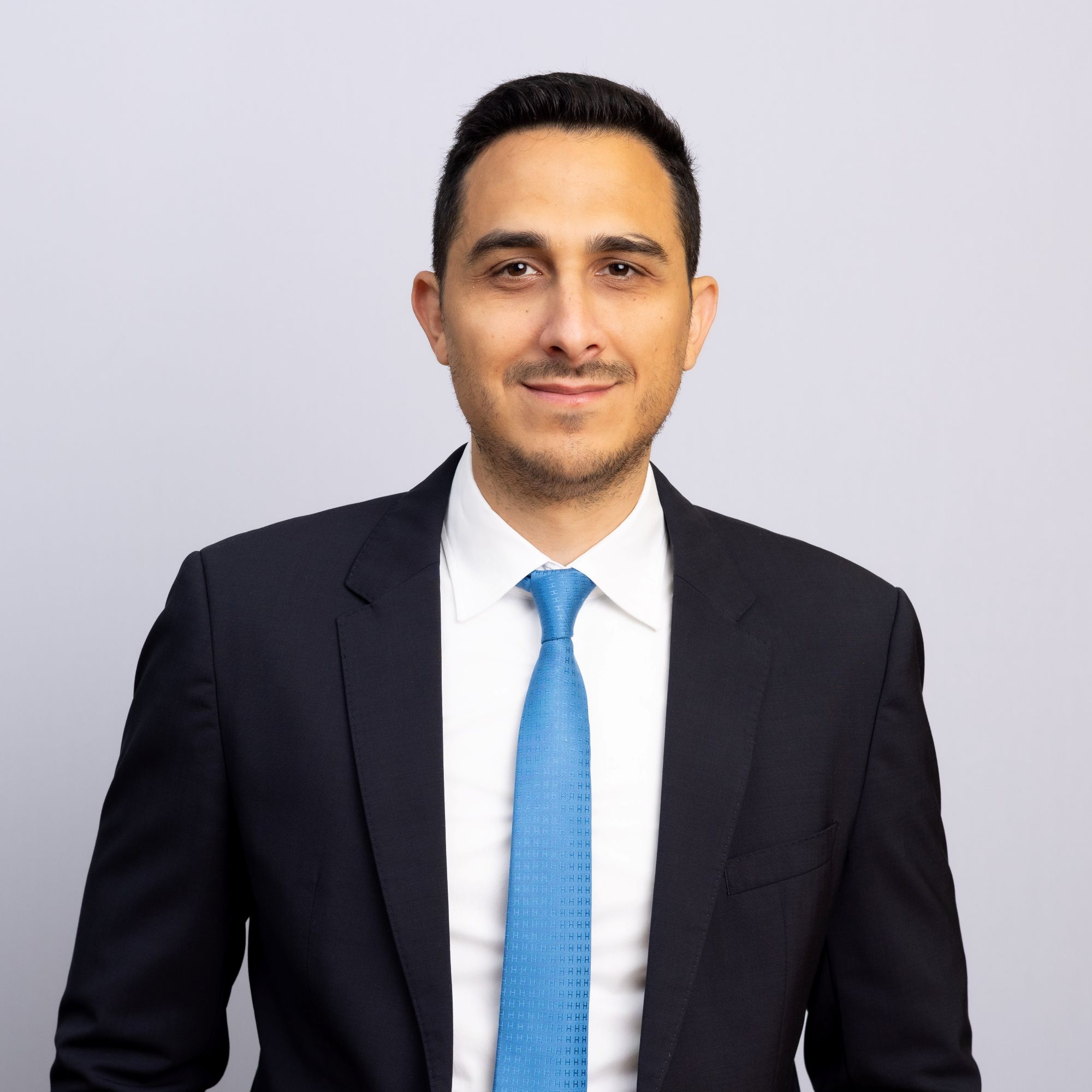
Mazen Najjar
VP Prime Service Sales
Middle East equities are entering a new phase of development. The region is attracting more international capital, expanding its institutional market and continuing to strengthen the infrastructure that supports it. At the same time, recent geopolitical events have reminded investors that market conditions can change quickly, placing greater emphasis on understanding how markets function as well as the opportunities they present.
For years, the region was often viewed through a fairly narrow lens: oil exposure, domestic liquidity, retail participation and periodic bursts of IPO activity. Regulatory reform, growing institutional participation and a steady pipeline of new listings are broadening the investment landscape, making Middle East equities increasingly relevant.
A region of increasingly distinct markets
Recent market volatility has reinforced that the region cannot be viewed as a single investment story. Saudi Arabia, the UAE and the wider GCC each continue to develop differently, with their own liquidity profile, investor base, sector exposure and market structure.
Saudi Arabia remains the dominant market by scale and depth, while the UAE is increasingly establishing itself as a gateway for international capital, supported by the growth of Dubai and Abu Dhabi as financial centers. Elsewhere in the GCC, markets are developing their own distinct roles within the regional investment landscape.
For investors, that means understanding how each market operates and what those distinctions mean for access, liquidity, risk management and execution.
How markets responded under pressure
Periods of heightened uncertainty provided a real-time test of how the markets respond. Gulf equities weakened during periods of escalation, but the impact varied across the region. Some markets proved more resilient than others, and investors increasingly differentiated between countries rather than treating the GCC as a single risk bucket.
During the period of tension, Dubai was among the markets most visibly affected. Reuters reported in March that Dubai’s main share index had fallen more than 18% since the conflict began, taking its market value down to AED843.25 billion (approximately US$229.6 billion). Abu Dhabi was also affected, with Reuters reporting that its market capitalization had fallen by nearly US$77.2 billion during the same period.
The recovery has been meaningful, although uneven. In June, Dubai’s market capitalization exceeded AED1 trillion, implying that the market had regained more than AED150 billion since the height of the sell-off. UAE equities also rallied on ceasefire optimism, with Dubai’s main index rising 2.5% to its highest level since the conflict began, while Abu Dhabi advanced 1.2%.
As markets stabilized, attention shifted from immediate risk reduction to earnings, valuations, shipping flows, oil prices and country-specific fundamentals. Our desk also observed flows moving from UAE markets towards Saudi Arabia during the period of greatest uncertainty before confidence gradually returned to the UAE.
Recent volatility has highlighted the importance of resilience. The region’s markets were not immune to the shock, but they continued to function throughout the period of uncertainty. That is partly because local capital pools are deeper, sovereign balance sheets remain strong, and regional investors continue to play an important stabilizing role.
Commentary from credit market participants pointed to same conclusion. Strong sovereign balance sheets, policy support and resilient local investor demand helped restore confidence after the initial shock. Although credit and equity markets differ, the broader message is the same: the region’s capital markets are now supported by a deeper local investor base and stronger institutional infrastructure than in previous cycles.
The foundations of a more institutional market
One of the clearest signs of the region’s development is the growth of a more institutional market. The investor base is changing, the financial ecosystem is expanding and the market infrastructure continues to evolve.
1. A changing investor base
The Middle East is now home to some of the world’s most active sovereign investors, a growing family office community and an expanding hedge fund and asset management sector.
IPO activity has helped broaden the investable universe. The region recorded 49 IPOs in 2025, raising US$7.3 billion, with Saudi Arabia accounting for 39 of those IPOs and US$4.9 billion of proceeds. While issuance levels fluctuate, public equity markets are playing a bigger role in how capital is raised across the region.
The Abu Dhabi Securities Exchange reported total trading value exceeding AED385 billion in 2025, representing 12.6% year-on-year growth, with average trading value also rising. Institutional investors accounted for 78% of trading value, while foreign investors accounted for approximately 39%.
Dubai Financial Market is also attracting a more international investor base. The exchange onboarded 97,394 new investors in 2025, 84% of whom were foreign nationals. Institutional investors accounted for 71% of trading activity, up from 24% in 2013.
2. A growing financial ecosystem
Both the Dubai International Financial Centre (DIFC) and Abu Dhabi’s Global Market (ADGM) reported continued growth during 2025, supported by hedge fund inflows and the broader expansion of the financial services industry. Reuters reported that DIFC was home to 557 wealth and asset management firms by the end of 2025. ADGM also reported a 36% increase in assets under management, with 171 asset and fund managers managing 244 funds.
As hedge funds, asset managers and family offices establish a presence in the region, they are helping create a deeper financial ecosystem. This brings specialist expertise, capital and growing demand for institutional services, supporting the expansion of prime brokerage, outsourced trading, financing, custody, reporting and execution.
3. The infrastructure institutional investors expect
In Saudi Arabia, recent reforms have expanded foreign investor access to the Main Market, reducing some of the barriers that historically made participation more complex for overseas institutions. In the UAE, both Abu Dhabi and Dubai have continued to introduce the tools and market structures that institutional investors expect.
Market makers are helping create deeper and more orderly markets by supporting two-way liquidity, tightening spreads and improving price formation. Securities lending and borrowing supports short selling, hedging and more efficient trading, while DFM’s centralized securities lending program illustrates how this infrastructure is evolving. Derivatives are also becoming a more important part of the market, providing new ways to hedge portfolios, manage risk and express investment views.
Together, these developments are helping create the type of market environment global institutional investors expect, where cash equities, financing, stock lending, derivatives and execution services work together.
Local expertise still matters
Despite the progress being made across the region, execution in Middle East equities remains relatively high touch compared with many developed markets.
Liquidity can vary significantly between stocks. Market holidays differ across jurisdictions, while investor flows are often driven by local factors and relationship-driven trading behavior.
For investors accessing the region from UK, Europe, the Americas or Asia, success depends not only on identifying investment opportunities, but also on understanding where liquidity sits, how flows behave and how to execute efficiently in different market conditions. That’s where local expertise becomes a genuine advantage.
Marex Prime Services helps clients access MENA equity markets through swaps, with both high-touch and low-touch execution capabilities, supported by a team specialized in the region. Through our local market knowledge and partner network, we also provide market color and research to help clients better understand flows, liquidity and opportunities across the GCC.