


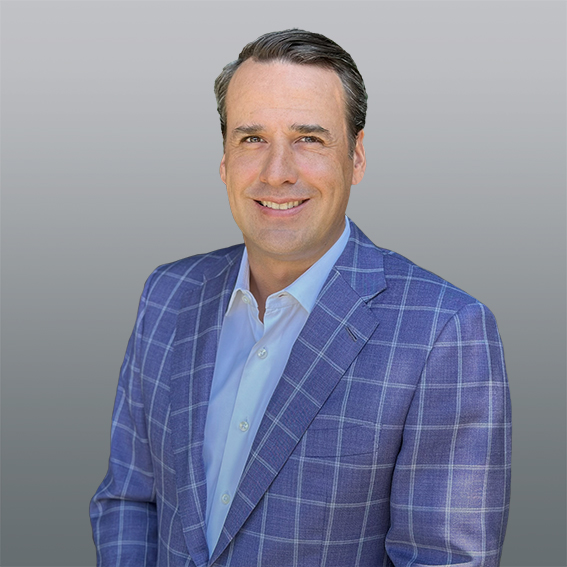
Harry Shillingford
Co Head of Americas Prime Brokerage Sales, Outsourced Trading and Capital Introduction


I had a great time joining Dave Rothschild on the Tokens of Wisdom podcast by Cole-Frieman & Mallon. It was one of those conversations that reminds you how much of what we do becomes second nature, and how useful it is to break it down in plain language.
The mechanics of prime brokerage, outsourced trading and cap intro are all familiar to us, but not always to the people we work with.
If you don’t have time to watch or listen to the podcast (links at the end), here are the highlights.

1. Prime brokerage isn’t one lane anymore
Plenty of people still think of prime brokerage as a simple custody and clearing setup. It hasn’t been that for years. Today, a prime brokerage arrangement can sit on a firm’s own balance sheet, run through an introducing relationship with a big custodian or a blend of both depending on what the manager trades.
At Marex, we can self-clear on our own platform in the US when it’s the right fit, and we can also offer custodial access through Pershing or Goldman for managers who need international reach or more bespoke margin. It means smaller or newer funds can still get tier-one infrastructure without losing the hands-on service they wouldn’t get directly from a bulge bracket.
Prime brokerage should reflect the portfolio, not force the portfolio into a single model.
2. Cap intro is matchmaking at its core
Cap intro is often misunderstood. It’s not, ‘Here’s an allocator, have a meeting, good luck’. In reality, it sits much closer to the marketing function than many managers realize.
Sometimes, we’re helping shape the story so it lands properly. Sometimes it’s about positioning, understanding where a fund sits in the allocator universe. Sometimes it’s about giving managers the honest feedback they need, not the feedback they want. And for others, the support looks completely different.
Ultimately, the goal is always the same: put a manager in front of an allocator who can be actionable. And actionable in three ways: they’re looking at a fund of that shape and size, they’re looking at a fund at that stage of its lifecycle, and they have dry powder.
That’s where the matchmaking element comes in. When those align, the introduction has a real chance of leading somewhere.
3. Outsourced trading has broadened out
One thing that often surprises people is how widely outsourced trading is used now. It’s not a niche option anymore.
We work with emerging managers to multi-billion-dollar firms and institutional investors. The common thread is simple: technology has taken a lot of the routine trading work off the desk, and managers want to focus on ideas.
There’s also a misconception that outsourced traders run the strategy. They don’t. The PM sets the view; we handle execution and the workflow around it. That’s why we keep a low PM-to-trader ratio – it gives us the understanding we need to manage each client’s flow properly.
And interestingly, most outsourced trading clients actually prime with the bulge brackets. It reinforces the point that outsourced trading isn’t about where the assets sit. It’s about communication, consistency and making sure the trading actually gets the attention it needs.
4. The biggest mistake new managers make
One of the most common pitfalls is building a business (and cost base) around the AUM managers expect to raise, rather than the capital actually committed.
Hope is not a budget. Overbuilding too early shortens your runway, and runway is everything in the first 18–24 months. Remember, it’s always easier to upgrade than downgrade. One sends a positive signal; the other doesn’t.
And no matter how good the idea is, capital doesn’t magically appear because a manager has built out the perfect infrastructure. That’s why I joked on the podcast: Field of Dreams is a great film, but it’s not a fund-launch strategy. If you build it… they may (or may not) come.
5. Choosing the right prime broker is about alignment, not brand
Your prime broker is the service provider you’ll interact with most. Trading, client service, risk, cap intro – it’s constant. If they only care about you when you’re growing, that relationship won’t hold when things inevitably get tougher.
The right prime broker is the one whose business model aligns with yours. Someone who values you at your current size, not just your potential future size, and still picks up the phone in year two if your AUM hasn’t doubled.
Someone who actually wants you to succeed, not just ‘scale’.
Big thanks to Dave and the team at Cole-Frieman & Mallon for having me on.
Listen to the full episode:
YouTube: https://www.youtube.com/watch?v=Hmo3PIdxMH4
Apple: https://podcasts.apple.com/us/podcast/tokens-of-wisdom/id1654234893
Spotify: https://open.spotify.com/show/2yaoJQSQ5aE5D6BsJoYtCS