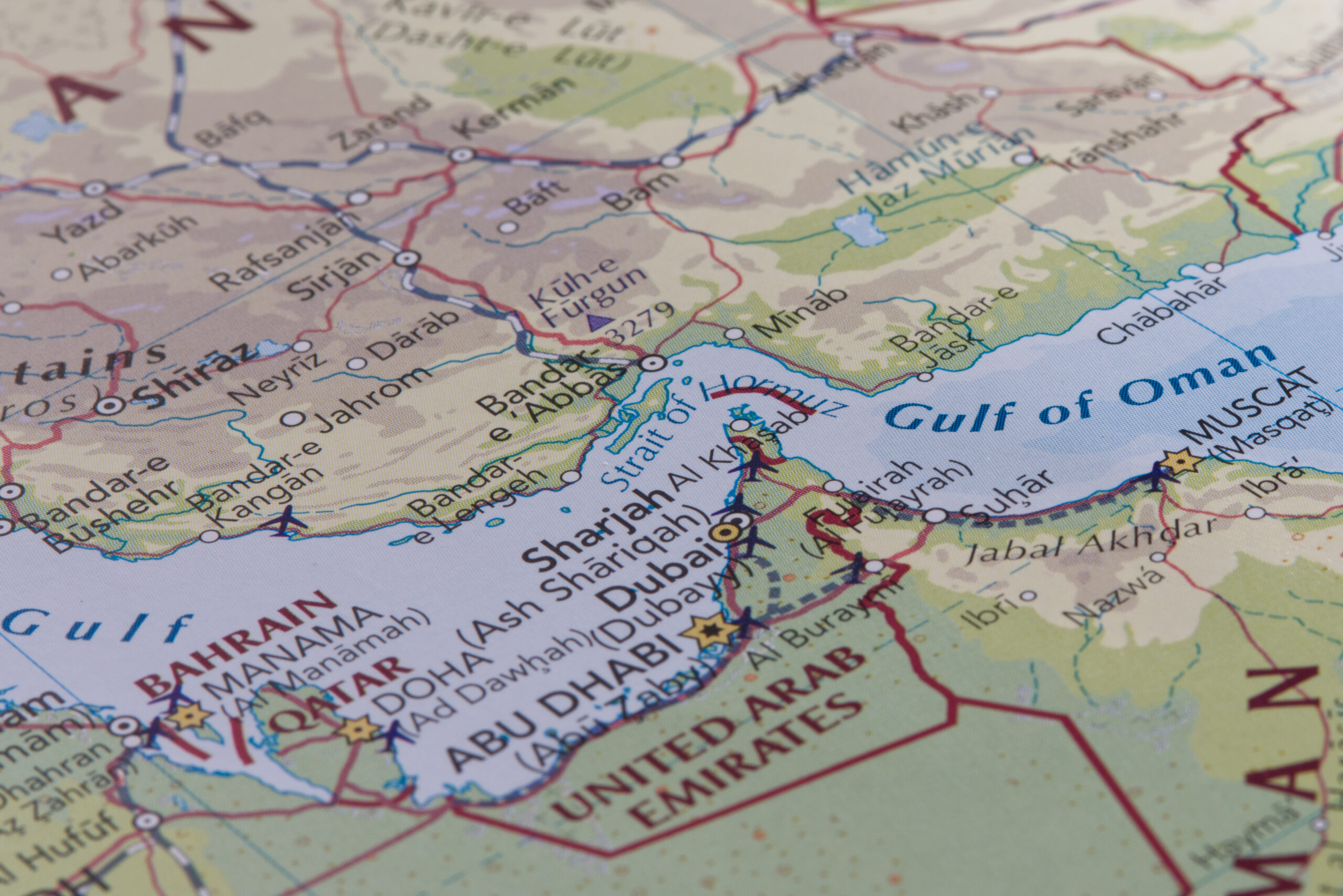




Gulf tensions are reshaping the landscape for global commodity flows, shipping costs, and energy markets. Direct exposure to the Strait of Hormuz differs across agricultural products, but the indirect effects of rising bunker prices, extended voyage times, freight‑market volatility, and uncertainty around fertilizer supply are already influencing the broader Ags complex. This report assesses how further escalation could affect key agricultural markets, examining transport risk, energy pressures, fertilizer sensitivity, seasonal buffers, and futures‑market dynamics. Each product is assigned a sensitivity rating (out of 10) to provide a clear comparative view of relative vulnerability.
Cocoa
Transport
Cocoa beans are transported via container vessels. Freight rates are locked in near‑term with sufficient container availability, and transport routes do not typically depend on Gulf chokepoints. Bunker rates are higher, but the full effect will be lagged and represents a marginal impact relative to the value of a container. Issues with containerised butter shipments from Asia to Europe are offset by excess global grind capacity. Land transportation costs will increase. Overall, the impact is marginal.
Energy use and prices
No implications for harvesting. Processing is relatively low in energy intensity, so higher energy costs remain a small portion of overall costs.
Fertilizer
Fertilizer use is low in West Africa in particular, and the effects of reduced application are heavily lagged. Overall impact is low.
Seasonality
A large 25/26 surplus, with much of it at or en route to destination, will act as a buffer in the short to medium term.
Impact on futures contract
Flat price remains largely uncorrelated to macro issues, though small index‑related flows are possible. Spreads may see increased appetite for cert ownership if disruptions persist, as certs are held at destination. Longer term, chocolate demand could face headwinds from higher inflation, weaker global GDP and higher input prices (energy, transport, milk and sugar).
Overall sensitivity rating: 2/10
Coffee
Transport
Prior to the conflict, Asian and East African producers were already rerouting around Africa, so there is no additional direct impact on transit times. However, there may be an indirect impact on transit times due to transhipments – even for seemingly unrelated routes (e.g., Santos to Antwerp). The Middle East produces no coffee and, while the wider region accounts for about 5–6 percent of global consumption, we understand less than 2 percent typically passes through the Strait of Hormuz.
Energy use and prices
Higher fuel charges and freight rates will alter tenderable parity calculations, but relative to container values (USD 85k for Robusta and USD 125k for Arabica), the impact is limited. Coffee processing is low in energy intensity. A more relevant risk is Brazilian logistics, where truckers often strike when diesel prices rise.
Fertilizer
The 2026/27 global surplus derives from the record Brazil crop and is already locked in; therefore it is no longer dependent on fertilizer use. Other countries have been maximising fertilizer application in the high‑price environment. A lack of fertilizer could become a concern for Q4 production (Vietnam), but not in the near term.
Seasonality
The market is grappling with very low destination stocks today and a transition to a large surplus from Q3 2026. Any disruption to logistics will extend the period of supply tightness.
Impact on futures contract
It is a physically delivered contract in destination. The front end of the curve has already steepened. Flat price has rallied but the key participant (the Brazilian producer) is still holding back.
Overall sensitivity rating: 4/10
Cotton
Transport
Disruption to containerised routes has so far been negligible, even though Gulf ports offer transhipment to much of the Indian sub‑continent’s demand centres. Should transit become further affected, the first‑order effect would be substitution into higher‑priced destination and internal stocks, potentially causing futures to become dislocated from demand. The second‑order effect would be constructive, as the industry is required to bring demand forward to reduce future supply‑chain risks.
Fertilizer
Higher fertilizer costs change production economics for various row crops. As cotton uses less nitrogen than corn, high fertilizer prices can support substitution into cotton acres. However, this is offset by the risk of a sizeable, lagged effect on yield, as India, Brazil, Pakistan, Turkey and Australia are sizeable contributors to the global balance sheet and rely on the Gulf for fertilizer imports. Given where we are in the price cycle, already burdensome fertilizer investments and El Niño risk, this presents a large risk to cotton’s forward supply.
Energy use and prices
Higher energy costs hurt downstream processing margins and consumer discretionary spending power. However, this is offset by impacts on man‑made fibre costs such as nylon, polyester, viscose and rayon. In 2011, cotton’s share of total fibre consumption was 40 percent; after cotton’s price rally that year, this dropped to 28 percent. With higher energy prices, cross‑price elasticity is being tested in the opposite direction, which we expect to materially support cotton demand.
Seasonality
Cotton is working through consecutive years of global stock‑build induced by global subsidies, productivity gains, and man‑made fibre competition. However, cotton looks set to be transitioning to a forward deficit, the magnitude of which depends on Gulf developments, weather, and US regulation around deliverable stocks. This makes the forward picture fluid and uncertain. Impact on futures contract: Elevated uncertainty makes volatility appealing to own. Spreads near full carry will be the first indicator of transition out of the prolonged bear market. Rising volatility, a recent breakout, Gulf‑related disruptions and wide China arbitrages all suggest the forward price picture may offer more promise than the past year.
Overall sensitivity rating: 6/10
Global Grains
Transport
For the Brazilian-Chinese soybean pipeline, the impacts are highly visible and acute. Higher freight costs in Brazil’s interior and elevated bunker fuel prices are disrupting grain flows. Exporters are taking on significant risk when selling CFR China, which is reducing overall market liquidity.
Energy use and prices
Soybean crushers, particularly in Europe, will feel the strain of extremely high natural gas prices. There is already discussion about slowing crush rates as TTF continues to rally. China is expected to become even more conservative regarding food and energy security, and it also needs to begin rebuilding state reserves of corn and wheat. Brazil remains heavily dependent on fossil diesel imports, particularly of Russian origin. While the diesel import lineup for March appears stable, it becomes very thin in April. The implications for inflation expectations and Brazil’s fiscal situation are concerning, and calls for trucker strikes are becoming louder.
Fertilizer
China is reducing bulk fertilizer exports and has begun imposing quota limits. This creates an immediate impact on Southern Hemisphere farmers because Chinese nitrogen is their primary sourcing origin. Brazil typically purchases monoammonium phosphate (MAP) and other P₂O₅ sources from May to June, and current repricing will directly affect production costs for the 2026/27 growing season. Demand destruction is a much more serious threat in both hemispheres as they head into their respective upcoming crop years (2026/27 for the South and 2027/28 for the North).
Seasonality
India will need to issue several urea import tenders due to its reliance on Qatari LNG, which should help support global nitrogen prices. Immediate impacts for Northern Hemisphere farmers include planting decisions for the 2026 crop. North American farmers will face difficult choices between soybeans and corn, along with potential input rationing later in the crop cycle, including pesticides and other inputs. In Europe, an increase in planted areas of canola, rapeseed, and soybeans is possible. India faces a strong likelihood of fertilizer rationing for upcoming sugar and cotton crops.
Impact on futures contracts
With Argentina being a net energy exporter largely due to the Vaca Muerta field, there is an increasing risk of cuts to retentions, which would be bearish for meal. Ukraine’s grain‑shipping capabilities are expected to diminish, benefiting Russia. Globally, the push for higher biofuel mandates continues to build, most notably in the United States and Indonesia. Crushers are likely to maintain strong crush margins, and biodiesel and renewable diesel producers in the United States should continue to enjoy strong blending margins.
Overall sensitivity rating: Corn: 7/10, Soybeans: 7/10, Wheat: 3/10
US Grains
Transport
Grain is moved by truck, train and mostly bulk carriers, making the jump in fuel prices problematic. Many farm brokers have reported freight rates increasing by almost 10 percent already off the farm, with basis values weakening in the deferred period because of concerns over transportation costs.
Energy use and prices
Many farmers did not lock in diesel or propane before the increase. Spring fieldwork fuel costs are minor, making the nearby pinch less problematic. However, if values remain elevated into the autumn, we could see issues with drying charges and getting grain out of the field. Harvest is a very energy‑intensive time, making a long‑term conflict much more problematic on the energy side.
Fertilizer
The largest unknown. Spring fertilizer needs are largely booked and nearby supply is sufficient. However, replacement‑cost uncertainty and unclear availability beyond the summer make it difficult to book deferred inputs with confidence. While this may be just a minor issue in the near term, a continuation of the situation into summer and beyond could prove highly problematic.
Seasonality
Near‑term concerns are limited, as we should be able to plant most of the crop with ease while continuing to move old‑crop bushels. Issues emerge if this extends into the summer, with significant margin compression and potential basis weakness – especially if high energy prices persist and we see a delayed start to harvest.
Impact on futures contracts
Additional fund length is likely in corn and wheat, while soybeans may lag. Futures will remain supported given the seasonal need for risk premium and the possibility of continued disruption.
Overall sensitivity rating: Corn: 7/10, Beans: 5/10, Wheat: 6/10
Palm Oil
Transport
Palm is highly export‑dependent. Disruption to Hormuz raises freight rates (higher CIF prices and weaker FOB competitiveness), lengthens transit times and distorts arbitrage (wider POBO spread and regional price dislocations). Palm would be bullish for nearby prices due to tight prompt supply. If landed prices surge too high, demand destruction becomes a risk.
Energy use and prices
Palm oil is a key biofuel feedstock. Higher crude prices make biodiesel more competitive, increasing blending mandates and driving much higher demand for veg oils. Palm oil would then be medium‑term bullish due to strong structural demand support.
Fertilizer
Fertilizer represents up to 60 percent of palm production costs and is highly energy‑intensive. Higher fertilizer prices will push farmers to reduce application rates short‑term (compressing margins) and reduce yields medium‑term (FFB output declines). Net effect is bullish, with the strongest impact on 2026–2027 output rather than immediate.
Seasonality
Palm production has strong seasonality (low Q1, rising Q2‑Q3, easing Q4). The conflict coincides with the low‑production season, amplifying nearby price strength. If fertilizer shortages persist, the peak production rebound will flatten, implying more extreme seasonal highs and less pronounced troughs.
Curve
Support for nearby due to freight disruption, supply‑chain delays and seasonal low production. Support for deferred contracts due to fertilizer‑driven yield losses and biofuel demand, though macro risk (global slowdown) may cap long‑dated demand.
Volatility
Geopolitical uncertainty energy‑linked cross‑commodity flows and speculative positioning imply higher implied volatility and larger intraday moves. Cross‑commodity spreads: Stronger correlation with energy (e.g., POGO). Weaker traditional agricultural fundamentals short‑term (e.g., POBO).
Hedging
Producers delay hedging; consumers increase forward cover.
Overall sensitivity rating: 8/10
Sugar
Transport
Seaborne freight rates have risen and will continue to rise sharply in response to bunker costs. This will likely affect demand into Q2 and potentially Q3, over and above the more immediate lost demand from the Gulf due to the Strait of Hormuz being closed (c. 300k of raw flows per month). Overall: potentially very meaningful impact.
Energy use and prices
Local availability of diesel in Brazil presents concerns around harvesting and elevated trucking costs. At best, this raises the cost of production and export logistics; at worst, it could slow the Brazilian sugar machine (harvesting/ export pace). Further, Petrobras has still not moved to increase local gasoline prices despite a 38 percent negative import margin; the very real risk of an upward adjustment in fuel prices and a corresponding shift in the ethanol parity curve – is keeping a bid under sugar flat‑price levels. Overall: something to watch.
Fertilizer
Primary fertilizer application occurs during the renovation period of Q4/Q1, so the impact is more limited unless issues persist for an extended period.
Seasonality
Flat price typically acts as the balancing item for the world market via the Brazilian sugar mix. Assuming this linkage holds (a safe assumption), the world is oversupplied for 26/27, with the strong possibility that the current rally will further lock in larger‑than‑expected surpluses.
Impact on futures contract
Flat price
Strong correlation with global energy prices, with close attention on any move by Petrobras to align domestic Brazilian gasoline prices with import parity.
Spreads
The flat-price rally so far has given Brazilian producers an excellent opportunity to price well above forward ethanol values. Particularly if Petrobras delays adjustments, there is meaningful risk of a large surplus in 26/27, which will need to be carried through structure.
Overall sensitivity rating: 8/10
To speak to one of our experts get in touch