


This week’s escalation in the Iran–US conflict has intensified risks across the global oil market, from attacks on energy infrastructure to rising threats in the Strait of Hormuz. Strategic stockpile releases, supply disruptions, and shifting trade routes are reshaping the energy landscape. CSC Commodities analyses the impact on crude prices, supply security, and futures market volatility.
Media Appearances
Kharg Island strikes: a major shock to global oil supply security
Week three began with US military strikes on Iran’s Kharg Island, a key terminal responsible for 90% of Iran’s seaborne oil exports. Although the US avoided hitting crude and oil product facilities, disabling military assets around the terminal underscored how fragile Iran’s export system is. Tehran responded by warning it would target “US linked” energy infrastructure across the region if attacks continued, sharply increasing geopolitical risk premiums.
These events framed my conversation with Maryam Moshiri on the BBC, where we discussed how Russia has unexpectedly benefited from Middle Eastern supply disruptions. With export routes via the Baltic, Arctic, and Asia, Russian crude is now trading at premiums to Brent, after years of discounts, highlighting how quickly global oil flows can recalibrate when the Gulf becomes unstable.
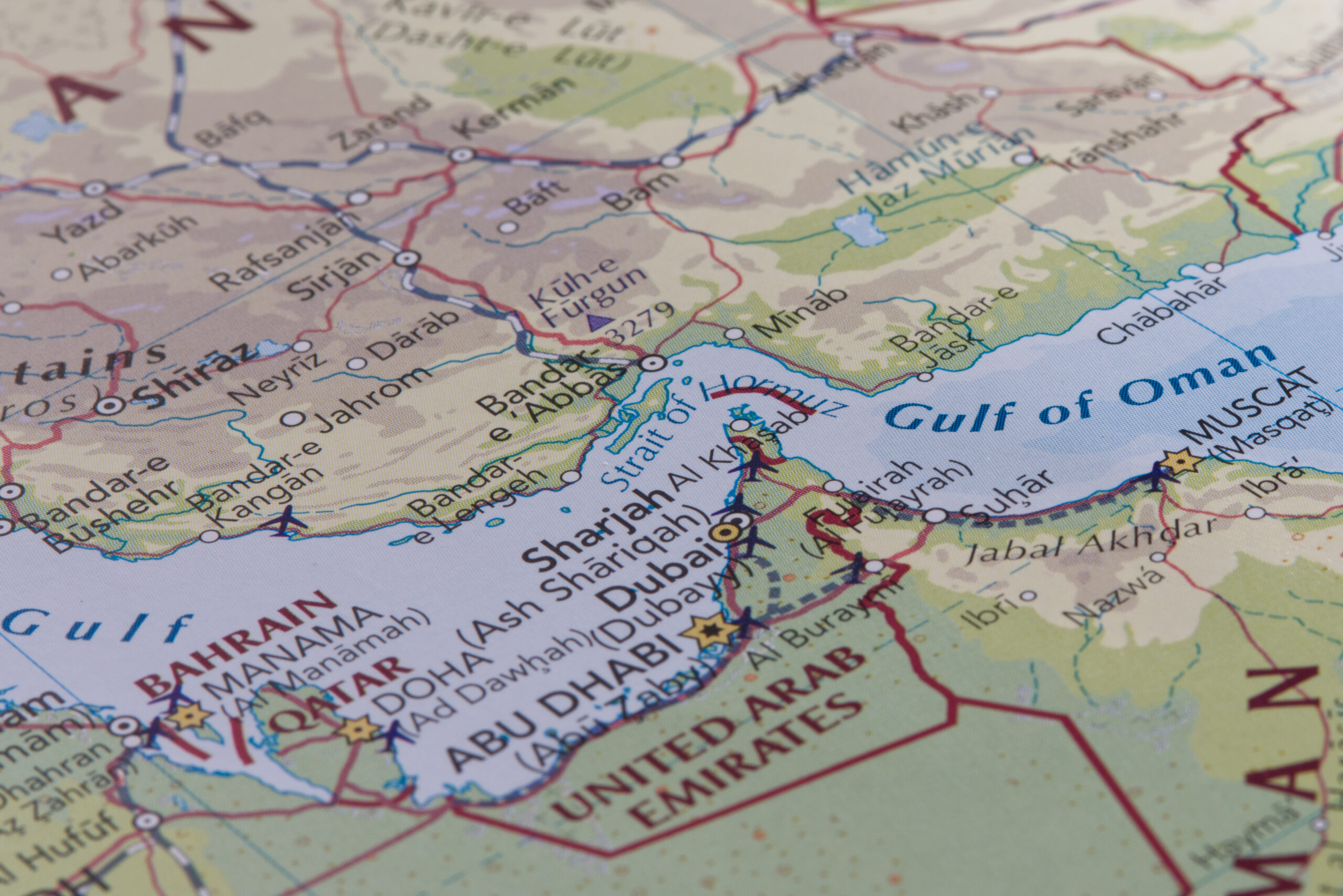
Strait of Hormuz: rising maritime risk and redirected flows
Over the weekend, President Donald Trump urged allies and even China to deploy naval warships to secure the Strait of Hormuz, through which roughly 20 million b/d typically flows. Despite persistent risks from mines, drones, and missile systems, the weekend saw an uptick in maritime traffic, most notably LPG vessels transiting toward India following a limited agreement between New Delhi and Tehran.
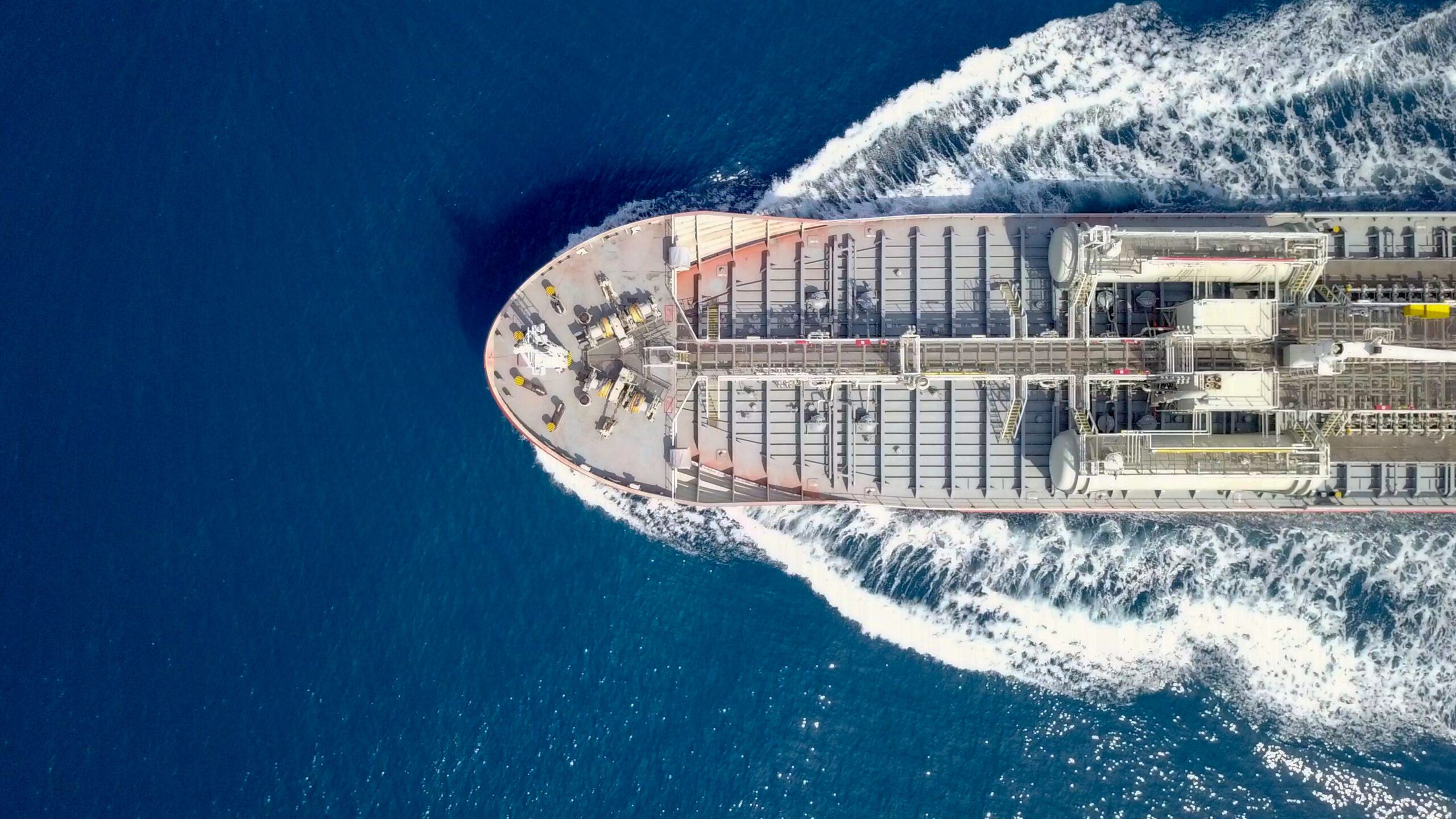
India has moved aggressively to shield households by maximising domestic LPG production and discouraging panic buying. The distinctive spherical tanks on LPG vessels have made them easier to identify and, so far, somewhat safer.
During this phase, I spoke with Jenifer Zabasajja on Bloomberg TV about regional alternatives to Hormuz. While the 5 million b/d Saudi East–West pipeline and the 2 million b/d UAE–Fujairah route provide some diversification, they cannot replace a potential 10 million b/d disruption, a shock comparable to the first year of the COVID 19 pandemic.
Energy infrastructure attacks spread beyond Hormuz
Drone and missile strikes continued across regional infrastructure hubs. Dubai International Airport suspended operations after a drone attack ignited fuel tank fires, and Fujairah, one of the most important oil hubs outside the Strait of Hormuz, was attacked for the second time in days, halting loadings. Oman’s Salalah port was also hit last week.
These incidents demonstrate that energy infrastructure risk is no longer confined to Hormuz, broadening supply concerns across the Middle East.
IEA’s 400 million barrel release: scale vs. speed
To stabilise oil markets, the US Department of Energy began its first 86 million barrel SPR swap, while the International Energy Agency initiated an unprecedented 400 million barrel coordinated release.
This topic was central to my interview with Silvia Amaro on CNBC, where we discussed why markets remain sceptical. While the volume is historic, release speed is the constraint. Previous IEA actions have averaged around 2 million b/d, and the US SPR’s maximum drawdown capacity of 4.4 million b/d cannot offset the loss of the 20 million b/d normally moving through the Strait of Hormuz.
Volatility intensified by technical market structure
At CSC Commodities, we continue to see structural features amplifying oil market volatility. Negative gamma positioning is forcing market makers to sell into falling prices and buy into rising ones, worsening swings during a period of thin liquidity and heightened geopolitical uncertainty.
To speak to a Marex expert, please contact our team.
Subscribe to Sasha’s market insights: