


Oil prices jumped sharply after a major US-Israel military operation against Iran over the weekend escalated geopolitical risk across the Middle East.
Iran responded with missile strikes on Israel and on countries hosting US military bases, including Saudi Arabia, the UAE, Qatar, Bahrain, Jordan and Kuwait.
As a result, Brent crude surged more than $5/b in early trading, briefly moving above $82/b before easing. The widening front-month spread signals immediate physical tightness and a rising geopolitical risk premium.
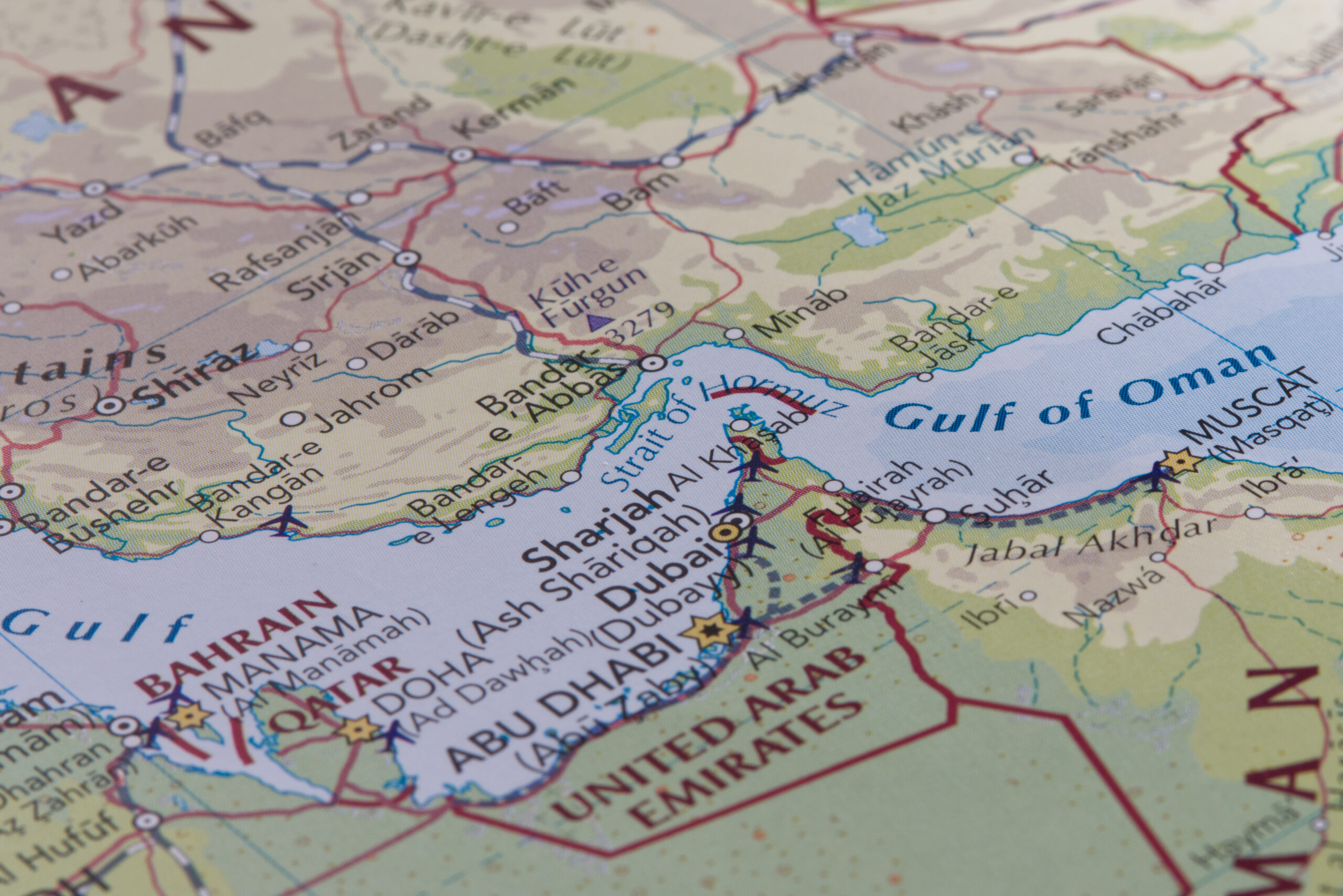
Strait of Hormuz at the center of market risk
Shipping activity through the Strait of Hormuz has slowed following reported attacks on tankers. With roughly 20% of global oil flows transiting the corridor, even partial disruption materially impacts price volatility and freight markets.
Some operators are also reassessing movements through the Bab al-Mandab Strait, raising the risk of longer trade routes and higher insurance costs.
Saudi Arabia and the UAE retain limited pipeline capacity to bypass Hormuz, but these routes cannot fully offset a prolonged closure.
Infrastructure risk is the critical variable
The primary risk to oil markets is escalation targeting regional energy infrastructure rather than shipping delays alone. Saudi export and refining assets remain geographically exposed across the Gulf. In Iran, crude exports are heavily concentrated at Kharg Island. Any sustained damage to production or export capacity would rapidly tighten global balances.
Reports of strikes near major Saudi facilities have revived concerns over disruption on a scale similar to the 2019 Abqaiq attack.
Impact on aviation and jet fuel
Airspace closures and airport disruptions across the Middle East are likely to weigh on regional jet fuel demand in the short term, partially offset by increased military fuel consumption.
Strategic reserves and market outlook
Asian importers remain the most exposed to Gulf supply risk. Stock levels vary, but vulnerability is highest where import cover is limited and reliance on Hormuz transit is substantial.
The US is not expected to release crude from its Strategic Petroleum Reserve unless infrastructure damage materially tightens global supply.
For now, global oil balances still show a modest surplus, supported by rising production in the Americas. That buffer, however, depends on whether the conflict remains contained and physical supply remains uninterrupted.
What markets are watching out for
1. Duration of disruption in the Strait of Hormuz
2. Escalation toward major oil infrastructure
3. Policy response, including OPEC+ supply decisions and potential SPR releases
If infrastructure remains intact, volatility may ease. If escalation deepens, oil prices could reprice structurally higher as supply risk becomes embedded in the market.
CSC Commodities a division of Marex, remains a trusted partner during periods of heightened volatility. We provide tailored risk management and hedging solutions across energy and freight markets, supported by timely market intelligence and execution expertise. In fast-moving conditions, our team is focused on helping counterparties protect margins, manage exposure, and maintain access to liquidity when it matters most.
To speak to a Marex expert, please contact our team.
Subscribe to Sasha’s market insights: