

Ruminant Biotech: investing in methane-reduction technology
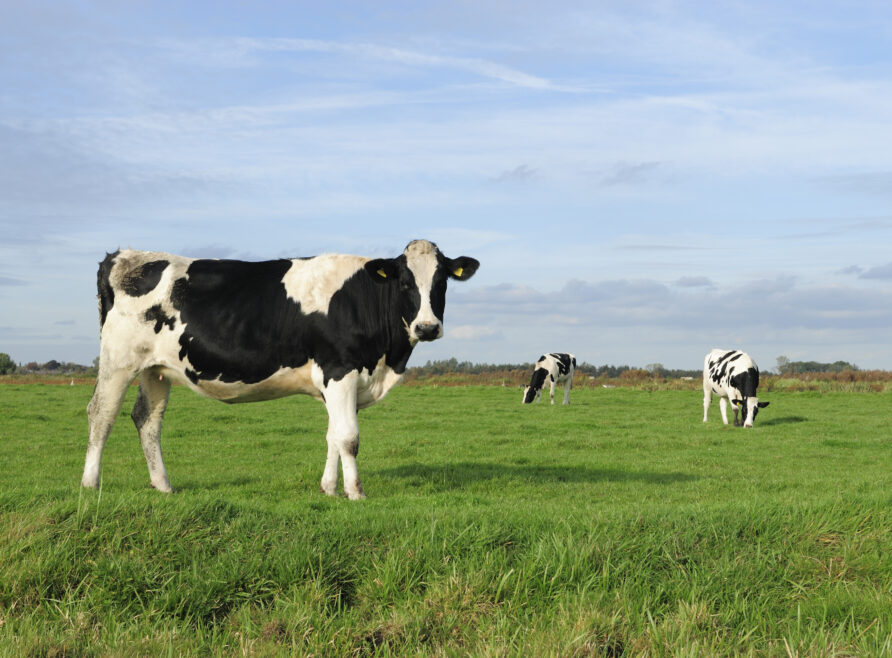
In 2025, Marex took a minority stake in Ruminant Biotech (RBT), a New-Zealand based business that has developed technology to reduce methane emissions from pasture-based livestock.
RBT will use the funds to advance its development of the technology, which trials have indicated can reduce methane production in animals treated with a single dose of the product for a period of 100 days. These funds will also help progress regulatory approvals in priority markets globally. The reduction in methane as a result of the use of this technology can be quantified and converted into carbon credits, creating a pathway into the growing carbon market.
Marex’s investment in RBT aligns with our strategy to grow our environmental business and allows us to access a new stream of carbon credits and potentially tap into a wider carbon client base. It also creates an opportunity for Marex to further diversify our emissions reduction offering, leaving us well placed to support clients as they transition to a low carbon economy.
As part of this investment, it has been agreed that Marex will act as exclusive broker and market maker in respect of a number of RBT’s own carbon credits generated by the project.
Key Carbon
As part of Marex’s strategy to become a leader in environmental products and services, in 2024 we invested in Key Carbon, which provides us with access to a more diverse client base and access to streams of high integrity carbon credits.
Key Carbon sources and finances carbon credit projects and provides ongoing governance, monitoring and operational support to ensure its projects are held to high quality and integrity standards.
The funding from Marex is mainly used to help finance the production and distribution of low-emission, affordable cookstoves within Africa through the project developer Global Cookstoves, Key Carbon’s joint venture with BURN Manufacturing.
In 2025, Global Cookstoves started distributing clean cooking devices in East Africa. These emission reduction projects are registered on Gold Standard, and designed to the highest levels of quality. In 2026, we aim to bring these projects to compliance markets around the world, via the Article 6 authorisation process.
This initiative allows Marex to deepen our capabilities in delivering emissions reduction projects from an early stage.
Global Mangrove Trust
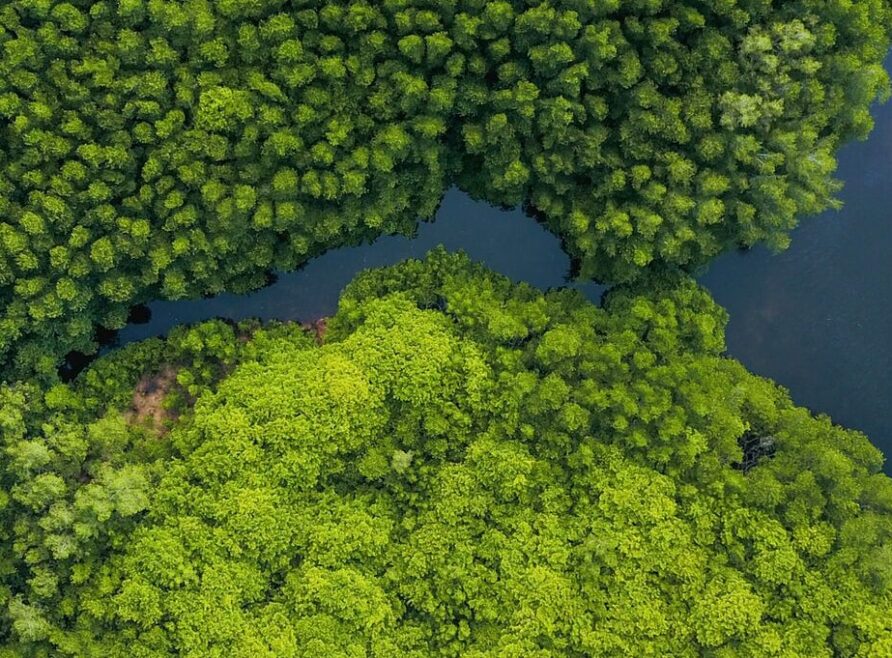
We continue to partner with the Global Mangrove Trust, OxCarbon (a not-for-profit spinout from the University of Oxford), Kumi Analytics and other key stakeholders to continue to develop scalable, verifiable and high-integrity carbon offset methodologies using satellite technology while preserving and restoring mangrove forests in South East Asia, which have a number of highly beneficial environmental and social impacts.
The project continues to advance its restoration activities and conservation efforts spanning more than 3,850 hectares of mangroves across nine coastal communities. It combines community stewardship with advanced satellite imagery, machine-learning models trained on detailed ground data, and continuous monitoring to accurately predict biomass recovery and carbon stock changes across mangrove ecosystems.
In 2025, the project reached several milestones. Restoration efforts accelerated significantly, with over 130,000 mangrove seedlings planted, surpassing the annual target and strengthening long-term forest recovery. The year also saw the expanded rollout of the GearBank programme, one of GMT’s most impactful livelihood-enhancement initiatives. GearBank provides men with training and equipment to promote sustainable fishing and silvofisheries—creating a safe, stable alternative to mangrove logging—while women receive training to process the men’s catch into food products such as dim sum, chips, and salted fish. This integrated model strengthens household incomes, reduces pressure on mangrove forests, and builds economic resilience across the community.
The Global Mangrove Trust project is in the process of undergoing Gold Standard registration for the project’s restoration component, under Gold Standard’s new mangrove methodology. The project is now formally listed with Gold Standard and is one of the earliest blue carbon projects to go through Design Review under this recent, robust methodology.